

Dogs and heat: 7 essential steps to protect your dog in summer
Partager
Unlike us, dogs barely sweat: they regulate their temperature mainly by panting. As a result, high temperatures pose a real risk, especially for puppies, seniors, and short-muzzled breeds. Here are 7 habits to adopt as soon as the warmer days arrive.
1. Adjust your walking schedule
Go out before 9 am or after 7 pm, when the asphalt and the air are cooler. In the middle of the day, the ground can exceed 60°C and burn paw pads in seconds.
2. Protect the head and eyes from the sun
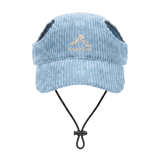
Prolonged exposure tires a dog's eyes, especially for dogs with light-colored or thin hair on their heads. A breathable, anti-UV cap helps limit glare during walks in direct sunlight, without hindering head movement.
3. Always keep water on hand
A water bottle and a collapsible bowl in your walking bag prevent dehydration, especially when hiking or in the city where water points are rare.
4. Never leave a dog alone in a car
The interior temperature can rise by 20°C in a few minutes, even with windows cracked open. It is the leading cause of fatal heatstroke in dogs during summer.
5. Prioritize shade and cool surfaces
A cooling mat or simply the shade of a tree allows the dog to regulate its temperature between moments of activity.
6. Adjust the intensity of exercise
Intense play and long runs should be reserved for cooler hours. During peak heat, prefer a short, calm walk.
7. Recognize the warning signs
Very rapid panting, excessive salivation, purple tongue: these are signs of an imminent heatstroke that requires immediate action.
The quality of accessories, a real health issue
A poorly designed accessory can worsen exposure rather than limit it: a cap without real anti-UV protection, or a poorly ventilated carrier bag that turns into a sauna in direct sunlight. Investing in accessories designed for summer is not just a question of aesthetics, it is a real preventive measure for your dog's long-term comfort and health.
Frequently asked questions
What are the first signs of heatstroke in dogs?
Excessive panting, heavy drooling, very red tongue, unsteady gait, or vomiting. If you observe these signs, move your dog to the shade immediately, give them water, and consult a veterinarian urgently.
At what temperature should I stop taking my dog out?
Above 28-30°C, limit outings to cooler hours (early morning, late evening) and always test the asphalt with the back of your hand: if it's too hot for you, it's too hot for their paw pads.
Are short-muzzled breeds more at risk of heatstroke?
Yes, brachycephalic breeds (French Bulldogs, Pugs, Boxers...) do not regulate their temperature as well through breathing and are statistically the most affected by heatstroke.
Our anti-UV cap effectively protects your dog from the sun's rays during hot weather.